New Zealand medicinal cannabis licences explained
New Zealand medicinal cannabis licences explained. Break down the licence classes issued by the Medicinal Cannabis Agency for cultivation, manufacture, supply and research.
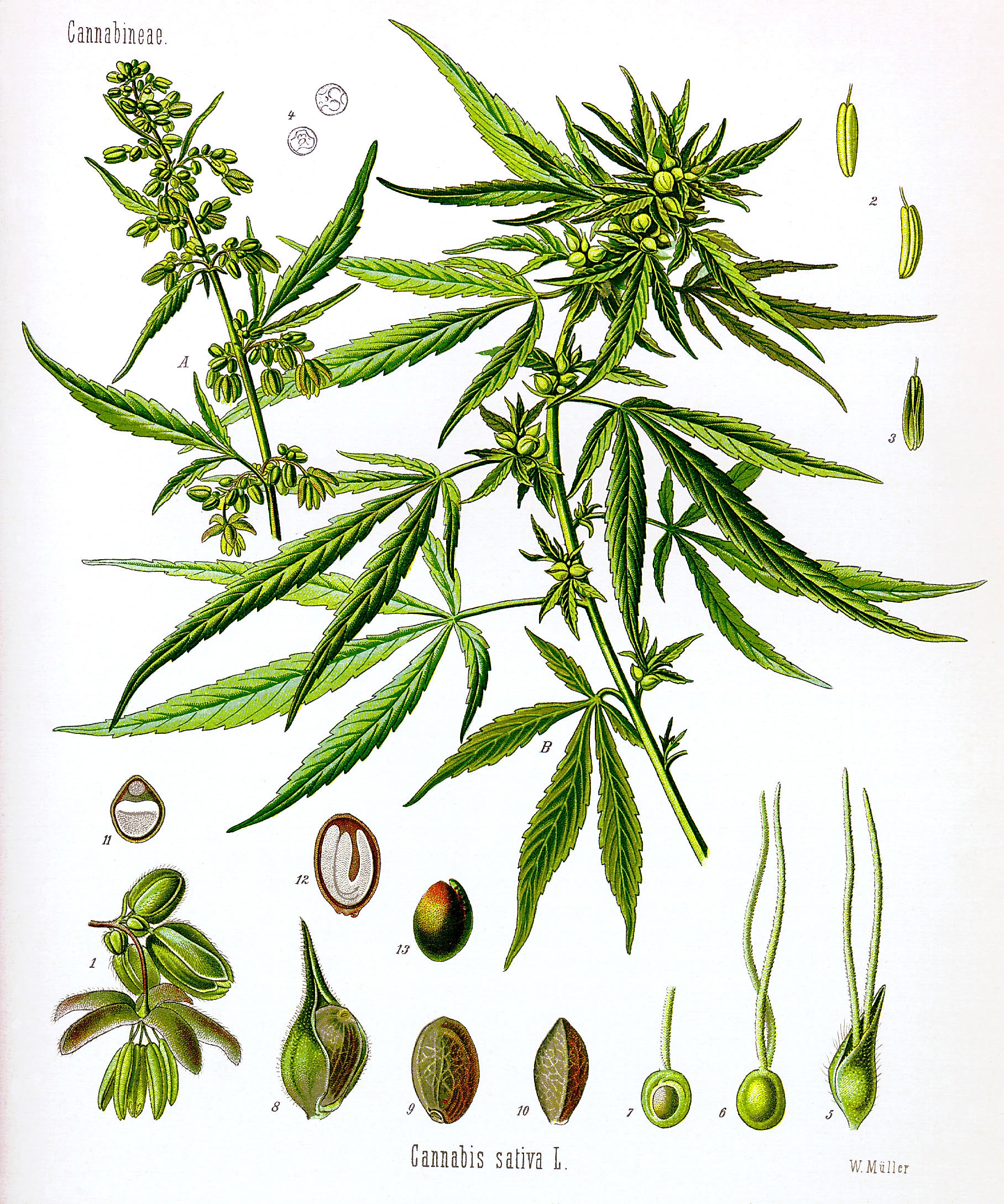

New Zealand medicinal cannabis licences are explained through five activities that may be specified on a licence: cultivation, seed supply, research, possession for manufacture, and supply. They are activities attached to a location-specific licence, not nine independent licence classes.
Medicinal Cannabis Agency licence activities
Cultivation covers cultivating cannabis for use in medicinal products and authorised supply of seeds, plants or plant material. Seed supply covers importing or purchasing seeds and supplying them to someone authorised to receive them. The boundaries depend on the regulations and the activities recorded on the licence.
Research is required for specified research involving supply or administration of a non-CBD medicinal cannabis product to a research participant. Ethics, clinical-trial and medicine requirements can also apply; a research activity is not a route into ordinary commercial supply.
Possession for manufacture is relevant to processing dried cannabis, extracting a cannabis-based ingredient, manufacturing a product, developing manufacturing or test methods, laboratory testing and product development. It does not replace every other approval that manufacture may require.
Supply is needed to supply or export starting material, cannabis-based ingredients or medicinal cannabis products outside limited testing, analysis or research situations.
One licence can authorise one or more activities. The actual wording and conditions on that licence control what the holder may do.
Location, security and additional approvals
Activities are linked to specified locations. An applicant must secure a suitable location and establish facilities and security arrangements. The Medicinal Cannabis Agency inspects locations and cannot issue the licence until necessary inspections have occurred.
Other approvals can also be required. The Ministry gives a Licence to Manufacture Medicines and consignment-specific controlled-drug export permissions as examples. A medicinal cannabis licence should therefore not be described as a single permit covering cultivation, finished-medicine manufacture, pharmacy supply and export without further checks.
How to check a public licence claim
The Ministry publishes a current licence-holder page containing the licensee name and an expiry date. It does not publish the detailed activity set for each holder on that page, nor company websites or telephone numbers. The Ministry also cautions that in some circumstances a licence can remain in effect beyond the displayed expiry date.
That means the public list can answer a limited question: whether an entity is named as a current licence holder on the Ministry page. It cannot, by itself, prove that the holder is authorised for the specific cultivation, research, manufacture or supply activity mentioned in an advertisement.
Use this verification method:
- Match the legal entity name, not only a brand or trading name, to the Ministry’s current holder list.
- Record the page’s update date and displayed expiry date.
- Identify the precise activity being claimed.
- Ask the company for evidence that its licence includes that activity at the relevant location.
- Contact the Medicinal Cannabis Agency when an expiry note, entity name or claimed activity is unclear.
Do not infer product quality or clinical value from the existence of a licence. Product compliance has its own minimum-quality assessment, and clinical benefit requires separate evidence.
Claims the public list cannot establish
Being named on the holder list does not reveal the licensed crop area, authorised activity at a particular site, manufacturing quality status, export permissions or whether a named finished product meets the minimum quality standard. Those are separate propositions with separate evidence.
Likewise, a missing trading name may reflect the difference between a brand and its legal entity. Search the legal company name before drawing a conclusion, then ask the Agency if the relationship remains unclear. The public list is useful evidence, but its two displayed fields should not be stretched into a full compliance profile.
Fees, forms and guidance can change. Applicants should use the current Ministry application page and regulation-linked guidance rather than copying a historic amount from an article. The durable rule is to map the proposed work to the five official activities, then check location, security and every additional approval the work requires.
Frequently Asked Questions
What is the difference between a cultivation licence and a nursery licence?
A cultivation licence permits the full cycle from seed to harvested and dried cannabis starting material, and allows supply to other licence holders. A nursery licence only permits cultivation for the purpose of supplying plants or seeds to cultivation licence holders, it does not permit harvesting or drying for medicine production.
Can a pharmacy dispense medicinal cannabis without a supply licence?
No. A pharmacy must hold a Supply (pharmacy) licence from the Medicinal Cannabis Agency to possess and supply medicinal cannabis products to patients on prescription. Without this licence, possession and supply are unlawful.
How often is the MCA licence holder list updated?
The MCA does not publish a fixed update schedule, but the list is updated periodically. The most recent version as of this writing is dated 19 October 2026. Always check the date on the list before relying on it.
What happens if a licence expires or is revoked?
The licence holder must immediately stop all activities authorised by that licence. Possession of cannabis or cannabis products without a current licence is unlawful. The MCA may also require the holder to dispose of or destroy any remaining stock under supervision.
Read next
-
 Medicinal-cannabis clinical trials
Clinical trials are the engine that separates a regulated medicine from a herbal remedy.
-
 Cultivation, manufacturing and GMP
New Zealand's medicinal cannabis regime is set out in the Misuse of Drugs Act 1975 and the Misuse of Drugs (Medicinal Cannabis) Regulations 2019.
-
 Medicinal-cannabis research in New Zealand
New Zealand’s medicinal-cannabis research landscape sits inside a tightly regulated pharmaceutical framework.
-
 How to evaluate a cannabis claim
When you read a claim about medicinal cannabis in New Zealand, the first question is not “is this true?” It is “what is this claim actually saying, and who is saying it?” A single sentence…
-
 How to use archived MedCan programmes and speaker pages
Archived MedCan pages, captured on the Internet Archive’s Wayback Machine, can be a useful historical record of New Zealand’s medicinal cannabis conferences, speaker sessions and product…
-
 New Zealand's medicinal cannabis scheme
Medicinal cannabis in New Zealand is a regulated pharmaceutical pathway, not a general licence to use cannabis.