Dried cannabis flower and tea preparations
Dried cannabis flower and tea preparations. Describe the pharmaceutical forms of dried flower available under the New Zealand scheme and the approved medical vaporisers.
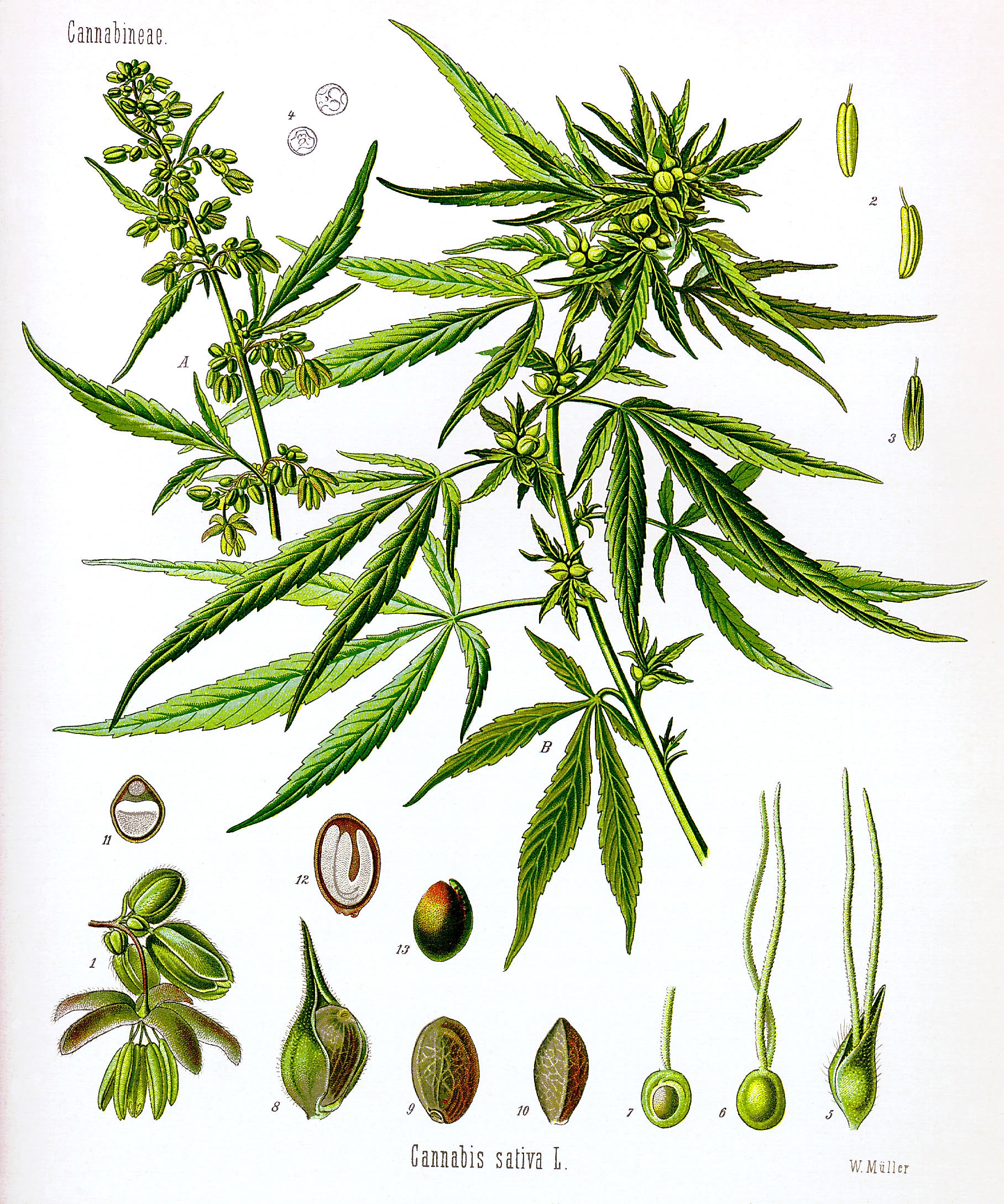

Dried cannabis flower and tea preparations occupy distinct categories in New Zealand’s medicinal-cannabis product list. The Ministry separately identifies flower that meets the minimum quality standard for inhalation through a vaporiser and flower that meets the standard for preparing tea for oral consumption. The categories must not be treated as interchangeable.
Dried cannabis flower for inhalation
Products in the inhalation table are Class C1 controlled drugs and meet the applicable minimum quality standard for inhalation through a vaporiser. The current Ministry table, product directions, prescription and pharmacist advice are the places to confirm the intended route.
This classification does not mean that smoking is an accepted alternative. The minimum-quality rules prohibit products in a form intended for smoking. Combustion also changes exposure and removes the controlled administration context on which the prescription and product information are based.
Avoid general online lists of “approved vaporisers.” Device status and product instructions can change, and a device being sold in New Zealand does not establish that it is suitable for a particular prescription. Confirm the current product instructions and device requirements with the prescriber or pharmacist.
Dried flower for preparing tea
The Ministry maintains a separate table for dried products that meet the minimum quality standard for tea preparation. It expressly notes that those products do not meet the standard for inhalation. A tea-category product should therefore not be presented as flower that can simply be switched between tea and vaporisation.
The Ministry publishes generic tea-preparation instructions: grind the product finely; bring 500 mL of water to the boil in a covered saucepan; add 0.5 g of the ground product; reduce the heat and simmer covered for 15 minutes; remove from heat and strain; then add a sachet of coffee creamer to the warm tea to reduce active ingredients sticking to the vessel as it cools. Leftover tea may be kept in a thermos when it will be consumed the same day.
Those are generic regulatory instructions, not a dose recommendation. The Ministry warns that they do not encompass every tea product. The product-specific directions, prescription and advice from the dispensing pharmacist take priority. Do not change the prescribed quantity, route or schedule from a web article.
Comparing the two routes responsibly
A safe comparison begins with the verified category rather than claims about which route is “stronger” or “better.” Ask:
- Which Ministry table contains the exact product?
- What administration route is stated for that product?
- What preparation or device directions accompany it?
- What adverse effects, interactions and impairment advice has the prescriber discussed?
- Who should be contacted if the intended route is impractical?
Do not infer onset, duration or delivered dose from the flower’s labelled cannabinoid percentage alone. Administration, preparation and individual factors affect exposure, and the verified quality category is not a personalised dosing instruction.
Reading the product table correctly
Match the complete product name, active-ingredient description, pack size, administration note and named licence holder. Similar brand names or cannabinoid percentages do not establish that two entries have the same verified route. Save or print the current entry when discussing it with a clinician, because the Ministry updates the tables as products change.
If the container, pharmacy label and online table appear inconsistent, do not improvise. Keep the product in its original packaging and contact the dispensing pharmacy. That allows the pharmacist to check the prescription, batch and current supplier information instead of relying on a generic web description.
The decision boundary is clear: use only the route attached to the prescribed product, follow its current instructions, and take proposed changes back to the prescriber or pharmacist.
Frequently Asked Questions
Can I use any vaporiser with prescribed dried flower?
No. Only the four Storz & Bickel models approved as Class IIa medical devices by Medsafe (Mighty Medic, Mighty+, Volcano Medic 2, Venty) are recognised under the NZ Medicinal Cannabis Scheme (2024). Using another vaporiser means the route of administration is not medically recognised.
Why can’t I smoke my prescribed cannabis flower?
Smoking is not a medically recognised route because combustion produces harmful by-products and does not allow standardised dosing (NZ Ministry of Health, 2024). A prescription does not authorise smoking, and the legal definition of medicinal cannabis excludes smoked plant material.
How long does cannabis tea take to work?
Onset of effect is 30-90 minutes, with peak effect at 2-4 hours and total duration of 4-8 hours (Healthify, 2023). The delayed onset increases the risk of taking too much before feeling the effect, so dose should be decided in advance.
Does the labelled THC content mean I get that much from a tea or vaporiser?
No. Bioavailability from vaporisation is 10-35% and from oral tea is 4-20% (systematic review, 2022). The labelled content per gram is the amount in the flower, not the amount that reaches your bloodstream. Actual delivered dose depends on the device, preparation method, and individual factors.
Read next
-
 CBD and THC explained
Medicinal cannabis in New Zealand comes down to two molecules that appear on every label: CBD and THC.
-
 Routes of administration
The route you use to take medicinal cannabis changes how fast it works, how long it lasts, how predictable the dose is, and which side effects you are likely to notice.
-
 Reading labels and certificates
Every legal medicinal cannabis product in New Zealand carries two things you need to be able to read: the label on the container and the certificate of analysis (CoA) that accompanies the…
-
 Cannabis and medicine interactions
The question is not whether cannabis interacts with medicine. It does. The real question is whether you can predict the interaction yourself.
-
 Safety and daily life
Medicinal cannabis in New Zealand is not a general licence to use cannabis.